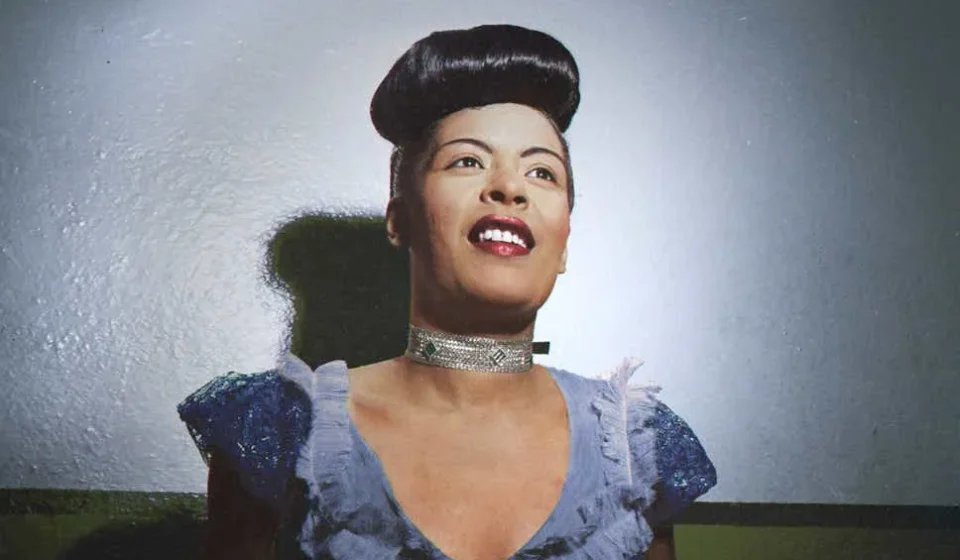

One of the most important jazz vocalists in American music history was Eleanora Fagan, better known by her stage name Billie Holiday. Born on April 7, 1915, she overcame a challenging upbringing to become a globally renowned performer whose unique voice, poignant phrasing, and daring artistic choices revolutionized the way singers approached jazz. Lester Young, a close friend and musical colleague, gave her the renowned moniker “Lady Day.”
Eleanora Fagan’s Early Life
Born in Philadelphia, Eleanora Fagan grew up primarily in Baltimore. Racial discrimination, family instability, and poverty all influenced her early years. Her father, Clarence Holiday, was a professional jazz musician, and her mother, Sadie Fagan, labored to provide for the family. Nevertheless, music had a significant role in Eleanora’s life from a young age.
She became interested in the records of well-known African American musicians, especially Bessie Smith and Louis Armstrong. Her musical skills were developed via listening, mimicking, experimenting, and performing, despite the fact that she never got traditional vocal training or professional instruction in music reading.
How Billie Holiday Was Born Eleanora Fagan
Eleanora took on the stage name Billie Holiday when she joined the Harlem music scene as a youngster. Actress Billie Dove served as the inspiration for the first name, while Holiday was related to her father’s last name and her family history.
She first performed in Harlem clubs, where she eventually gained recognition for her unique and intensely passionate singing style. She concentrated on timing, phrasing, emotional expression, and interpretation rather than using strong vocals.
Innovation in the Jazz Industry
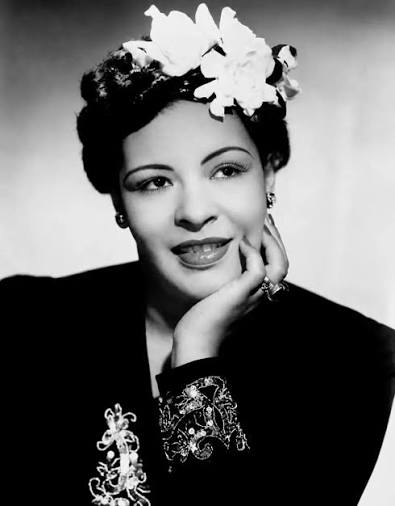
When producer John Hammond found Holiday in Harlem, it was a significant turning point in her career. She started a recording career with Benny Goodman’s trio at the age of 18, which would later make her one of the most significant voices in jazz.
She collaborated with artists such as Artie Shaw, Count Basie, Lester Young, and Teddy Wilson in the 1930s. Her reputation was shaped by her recordings with Teddy Wilson, and her musical collaboration with Lester Young became one of the most well-known collaborations in jazz. She allegedly referred to him as “prezzie,” but Young nicknamed her “Lady Day.”
Career in the 1940s and 1950s
Throughout the 1940s, Holiday continued to record and perform. She increased her repertoire while collaborating with performers and major record labels. She also made appearances with Louis Armstrong, such as in the 1949 movie New Orleans.
Holiday recorded a lot for the Clef and Verve labels in the 1950s while collaborating with producer Norman grans. Her later recordings had a different emotional quality from her earlier work since her voice had become harsher and more personal.
One of her most well-known late-career releases was the 1958 album Lady in Satin. 1959 saw the completion of her last studio recordings, which were published following her passing.
Individual Challenges
Holiday’s remarkable career coexisted with serious personal challenges. She dealt with prejudice, poverty, abusive relationships, substance abuse, and ongoing legal and professional difficulties. These events had a significant impact on her life and frequently shaped the emotional tone of her performances.
Because audiences could hear a feeling of personal experience in her renditions, her life story became inextricably linked to her music. This blend of creative control and vulnerability became one of her work’s defining traits.
A woman sings the blues
Holiday’s autobiography, Lady Sings the Blues, was released in 1956. Diana Ross played Holiday in the 1972 film of the same name, which was inspired by the novel and became a significant part of her public legacy.
Because it blends creative accomplishment with the social realities of race, gender, poverty, and the American entertainment industry, Holiday’s life narrative has continued to draw filmmakers, historians, musicians, and viewers.
Eleanora Fagan’s passing
At the age of 44, Billie Holiday passed away in New York City on July 17, 1959. Despite having a brief life, her impact grew even more after her passing. The Bronx’s Saint Raymond’s Cemetery served as her final resting place.
Billie Holiday’s Legacy
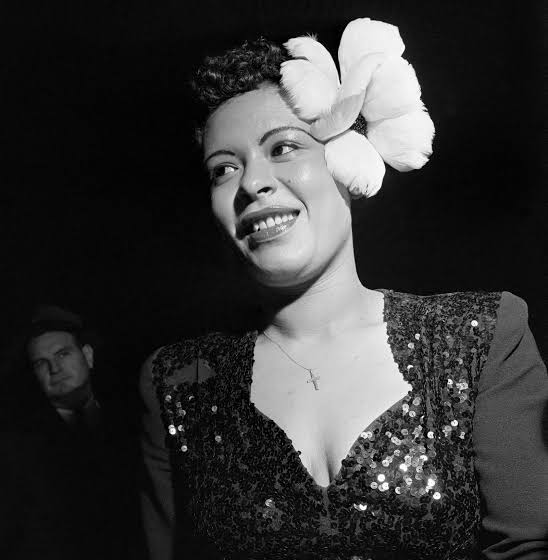
The influence of Holiday goes well beyond conventional jazz. Her performances showed how popular music could convey intensely personal and socially meaningful themes, and her vocal style impacted generations of vocalists.
She has received distinction from the U.S. Postal Service, the Grammy Lifetime Achievement Award, and admission into the Rock & Roll Hall of Fame. Additionally, she was admitted into the National Women’s Hall of Fame.
Recordings like “Strange Fruit,” “God Bless the Child,” “Fine and Mellow,” “Don’t Explain,” and “Lady Sings the Blues” continue to introduce new generations to her work, and her image and music continue to be a part of American cultural history.
Concluding
One of the most amazing tales in American music is Eleanora Fagan’s transition into Billie Holiday. She overcame a very challenging start to create a distinctively unique vocal style. Despite having no professional training in music, she became a trailblazer whose storytelling, timing, emotional intensity, and phrasing profoundly altered jazz vocals.
In the end, Billie Holiday’s legacy is about more than just her notoriety. Audiences were able to hear both the beauty and the suffering of her world through her music, which linked artistic expression, social critique, and personal experience. “Lady Day” is still regarded as one of the most important vocalists in American music history and a pivotal figure in jazz more than 60 years after her passing.