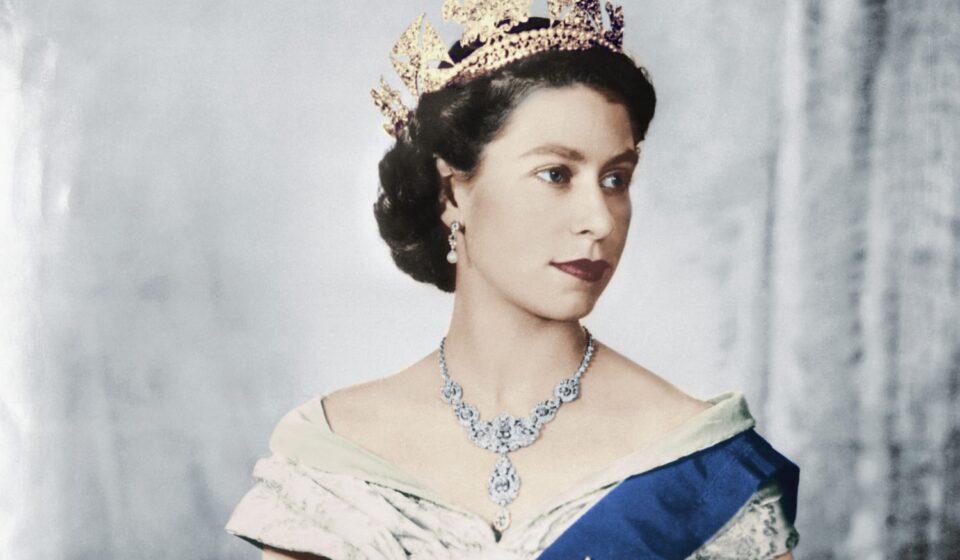

Elizabeth I was one of England’s most influential monarchs and the last ruler of the Tudor dynasty. She reigned from 1558 until 1603, a period commonly known as the Elizabethan era. Her reign was marked by religious change, political challenges, overseas exploration, military conflict, and significant cultural development. Her ability to maintain authority during a complicated period made her an enduring figure in English history.
Early Life of Elizabeth I
Elizabeth was born on September 7, 1533, at Greenwich Palace. She was the daughter of King Henry VIII and Anne Boleyn. Her mother was executed when Elizabeth was still a young child, and her position within the royal succession changed several times during the religious and political upheavals of Henry VIII’s reign.
Elizabeth received an extensive education that was unusual for many women of her time. She studied languages, history, philosophy, rhetoric, and classical literature. Her education later supported her ability to communicate effectively with diplomats, advisers, and political leaders.
Elizabeth I Becomes Queen
Elizabeth became queen in November 1558 following the death of her half-sister, Mary I. England faced religious divisions, financial pressures, and international challenges when Elizabeth took the throne.
One of her major early challenges was establishing a workable religious settlement. The Elizabethan Religious Settlement sought to establish a Protestant framework for the English Church while maintaining elements of religious continuity. Religious tensions nevertheless remained an important issue throughout her reign.
Major Achievements During Her Reign
Elizabeth I’s reign is associated with political consolidation and the growth of England’s international influence. Her government worked to strengthen royal authority while managing Parliament, religious disagreements, and competing European interests.
The period also witnessed increased English exploration and maritime activity. Figures such as Sir Francis Drake and Sir Walter Raleigh became associated with England’s overseas ambitions. Trade and exploration contributed to England’s growing connections beyond Europe.
The Elizabethan era also became notable for cultural achievements. Literature and theater flourished, with William Shakespeare and other writers producing works that remain influential today.
Elizabeth I and the Spanish Armada
One of the defining events of Elizabeth I’s reign was the conflict with Spain. In 1588, the Spanish Armada attempted to facilitate an invasion of England. English naval forces and unfavorable weather contributed to the failure of the Spanish campaign.
The Armada’s defeat became an important symbol of Elizabeth’s reign. Elizabeth’s leadership during the crisis also strengthened the image of the monarch as a defender of England.
The Virgin Queen
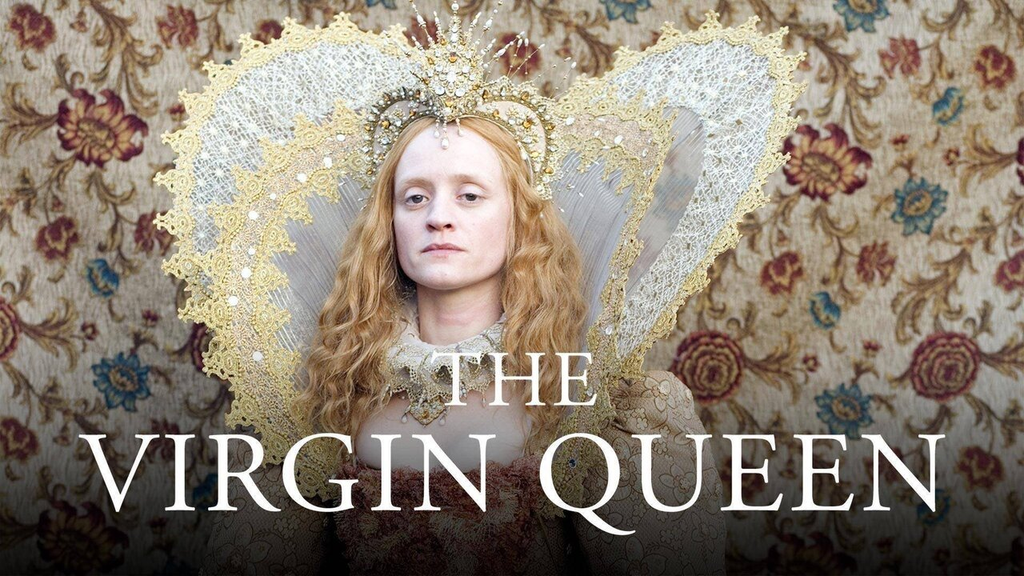
Elizabeth I never married or produced an heir. She became known as the “Virgin Queen,” a title that became central to the political image developed around her monarchy.
Rather than entering a marriage alliance, Elizabeth used the possibility of marriage as part of her diplomatic strategy. Her unmarried status also allowed her government to present her as devoted to the interests of the English kingdom.
Legacy of Elizabeth I
Elizabeth I died on March 24, 1603, bringing the Tudor dynasty to an end. She was succeeded by James VI of Scotland, who became James I of England.
Today, Elizabeth I remains one of the most studied figures in British history. Her reign is remembered for religious settlement, political challenges, conflict with Spain, maritime exploration, and cultural development. The Elizabethan era continues to attract interest because of its lasting impact on England’s political and cultural history.