

Algorithmic means related to an algorithm—a set of rules or steps that a computer follows to solve a problem or make a decision.
CHICAGO — Farmers hedging their seasonal crops and industrial firms acquiring essential metals used to dominate the agricultural and raw material markets, but the machines have silently taken over. These days, complex algorithms that process thousands of transactions per second handle the great majority of commodities futures trading. The “micro-crash” is a horrifying new phenomena brought about by high-frequency trading (HFT), despite the fact that it offers previously unheard-of market liquidity. The real-world manufacturers that depend on market stability are devastated by these abrupt, unexplained price falls that occur in the blink of an eye.
When interlocked trading algorithms misinterpret a stray data point or a wave of automatic sell orders, it can result in a micro-crash, often known as a “flash crash.” For example, an algorithm that scans international news sources may immediately dump thousands of soybean futures contracts if it finds an unconfirmed story about a major drought in Brazil. When competing algorithms notice this abrupt decline, they instantly set their own stop-loss limits. Before human circuit breakers can step in, a digital stampede occurs in milliseconds, causing the price of soybeans to drop by 10 percent globally.
The Commodities Futures Trading Commission regularly tries to audit these abrupt surges in volatility, but it is extremely difficult to interpret the forensic data. Regulators are compelled to decipher millions of instantaneous transactions post-mortem in an effort to pinpoint the precise algorithm that fired the opening shot since HFT companies aggressively defend their proprietary source code.
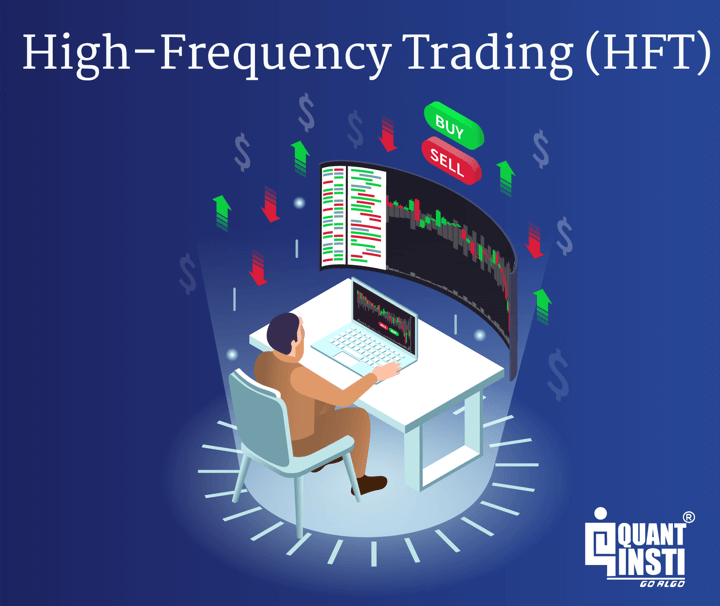
Wall Street quantitative funds, which frequently make money by shorting the abrupt decline, are rarely the victims of these digital stampedes. The physical producers are the real victims. A rogue line of code carrying out a trade in Chicago can cause a year’s worth of agricultural labor to vanish in a matter of seconds for a mid-western wheat farmer who intended to sell their harvest at a particular profit margin. Similarly, when a micro-crash artificially lowers the value of their hedged assets, a construction conglomerate that depends on steady copper prices may have to make an abrupt and significant margin call.
Market operators are putting sophisticated technological measures in place to fight this instability. Strict, automated “speed bumps” are enforced by modern commodity markets. The exchange automatically stops all algorithmic trading for a predetermined amount of time if the price of a crucial item, such as crude oil or raw timber, falls by a certain percentage within a microsecond window. This required delay gives human supervisors the time they need to assess the state of the market and decide whether the price decline is due to algorithmic panic or actual market conditions.
Financial purists, however, contend that these artificial speed bumps undermine the effectiveness of the free market by penalizing legal trading tactics in order to save antiquated company structures. The Securities and Exchange Commission must strike a careful balance between promoting technology advancement and preventing rogue algorithms from undermining the basic cost of human existence.
Commodities have fully moved from a physical marketplace to an online battleground. The unrelenting, unpredictable speed of artificial intelligence now determines the price of the metal we construct with and the food we eat, rather than just supply and demand.