
ChatGPT SEO is an emerging approach to optimizing online content so that it is easier for AI-powered search and answer systems to understand, retrieve, and potentially reference. Unlike traditional SEO, which focuses heavily on ranking webpage’s in search-engine results, ChatGPT focuses on creating clear, useful, trustworthy information that can be understood by large language models and AI search systems.
What Is ChatGPT SEO?
ChatGPT SEO involves optimizing website content for queries that users may ask through AI assistants and conversational search platforms. The goal is not simply to repeat keywords but to provide direct answers, useful context, and well-structured information.
For example, instead of targeting only a broad keyword such as “AI SEO”, a website could create content answering specific questions such as:
What is AI SEO?
How does ChatGPT SEO work?
How can businesses optimize content for AI search?
What are the best practices for AI search visibility?
This question-focused approach can make content easier for both users and automated systems to interpret.
Why Is ChatGPT SEO Important?
Search behavior is increasingly becoming conversational. Users may ask complete questions rather than entering short keywords. AI systems can then generate responses using information from multiple sources.
For website owners, this creates another reason to focus on content quality, clarity, topical relevance, and authority. A page that provides comprehensive answers to common questions can be useful for traditional search as well as AI-driven discovery.
However, ChatGPT SEO does not guarantee that a website will be cited or recommended by ChatGPT. AI systems use their own retrieval, ranking, and selection processes.
How to Optimize Content for ChatGPT SEO
1. Create Helpful, Original Content
Start with content that genuinely answers the user’s question. Avoid creating pages solely to insert keywords. Well-researched articles that provide practical information are more useful to readers and easier to understand.
2. Use Clear Headings
Organize articles with descriptive H2 and H3 headings. For example:
H2: What Is ChatGPT SEO?
H2: How Does ChatGPT Work?
H2: ChatGPT SEO Best Practices
H2: Common SEO Mistakes
This structure helps readers quickly find relevant information.
3. Answer Questions Directly
Use concise answers near the beginning of relevant sections. If a user asks, “What is ChatGPT SEO?” the article should provide a clear definition before adding additional details.
4. Build Topical Authority
Create multiple related articles around a central subject. For an AI SEO website, topics could include AI search visibility, LLM SEO, generative engine optimization, AI citation tracking, and content optimization for AI search.
Internal links can connect these related pages and help establish a logical website structure.
5. Use Structured Data
Relevant schema markup can provide search engines with machine-readable information about content such as articles, organizations, products, and software. Structured data should accurately reflect the visible content on the page.
6. Strengthen Trust and Accuracy
Include factual information, credible references where appropriate, author information, and clear explanations. Avoid unsupported claims and outdated information.
ChatGPT SEO vs Traditional SEO
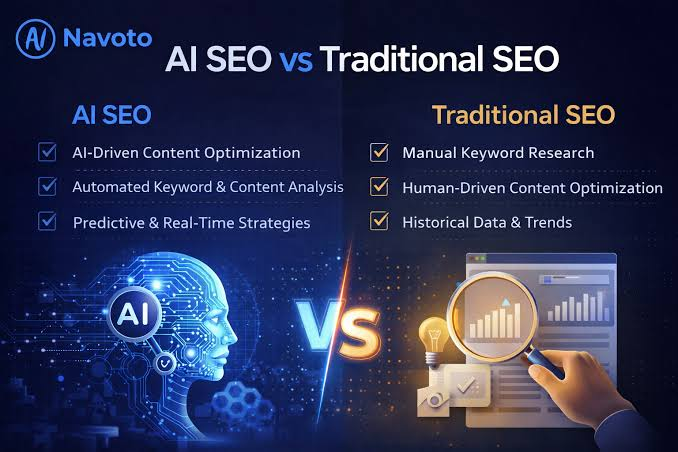
Traditional SEO often emphasizes search rankings, keywords, backlinks, technical optimization, and search-result visibility. ChatGPT adds another layer by focusing on conversational queries, semantic relevance, direct answers, and content that AI systems can understand.
The two approaches can work together. A well-optimized page can be designed for search engines while still providing useful answers for people using AI-powered search.
Common ChatGPT SEO Mistakes
Some common mistakes include excessive keyword stuffing, publishing thin AI-generated content, using unclear headings, ignoring user intent, and making unsupported claims about AI visibility.
Another mistake is assuming that adding the phrase “ChatGPT SEO” repeatedly will automatically increase the chance of appearing in AI answers. Content quality and relevance are more important than repetition.
Conclusion
ChatGPT SEO focuses on making website content clear, useful, trustworthy, and easy for AI-powered search systems to understand. Businesses can support this strategy by answering specific questions, using logical content structures, building topical authority, implementing relevant structured data, and maintaining accurate information.
Rather than treating SEO as a replacement for traditional SEO, website owners can use it as part of a broader strategy for search visibility across both conventional and AI-driven search experiences.