AI vending machines are changing the traditional vending experience by combining artificial intelligence, computer vision, sensors, machine learning, and cashless payments. Unlike conventional vending machines that rely on buttons, coils, and fixed product slots, AI-powered systems can recognize products, monitor inventory, analyze customer behavior, and support automated checkout.
What Is an AI Vending Machine?
An AI vending machine is an automated retail system that uses AI technologies to make purchasing faster and more convenient. Many modern systems use cameras and computer vision to identify products when customers pick them up. Sensors can also track weight, temperature, door activity, and inventory levels.
Some AI vending systems work like miniature self-service stores. A customer authenticates with a card or phone, opens the machine, selects products, and closes the door. The system identifies what was taken and processes the payment automatically.
How Does an AI Vending Machine Work?
AI vending machines typically combine several technologies:
Computer vision: Cameras capture products and customer interactions, while AI models identify items and determine what has been removed or returned.
Sensors: Weight, temperature, motion, and door sensors provide additional information and can improve product tracking and machine monitoring.
Machine learning: AI can analyze sales and inventory data to forecast demand, identify popular products, and help operators make better stocking decisions.
Cloud connectivity: Connected vending machines can send sales and inventory information to remote management platforms, allowing operators to monitor machines without visiting every location.
Cashless payments: Customers can often use contactless cards, mobile wallets, QR codes, or other digital payment methods.
Key Benefits of AI Vending Machines
One of the biggest advantages is 24/7 automated retail. Businesses can offer products in locations where maintaining a staffed store may not be practical.
AI also provides better visibility into inventory. Operators can receive information about product movement and machine performance, helping them determine when restocking is necessary.
Another benefit is the ability to sell products through a grab-and-go model. Instead of selecting a product through a traditional keypad, customers can interact with shelves or coolers and have their purchases automatically calculated.
Where Are AI Vending Machines Used?
AI vending technology can be used in many environments, including:
Offices and workplaces
Hotels and hospitality locations
Gyms and fitness centers
Airports and transportation hubs
Universities and schools
Hospitals
Apartment buildings
Stadiums and entertainment venues
Convenience and retail locations
Fresh meals, beverages, snacks, personal-care products, and other everyday goods can potentially be offered through automated retail systems.
AI Vending Machines vs. Traditional Vending
Traditional vending machines generally dispense products through predetermined mechanical systems. AI vending machines can provide more flexible product recognition, inventory monitoring, automated checkout, and data-driven decision-making.
However, not every machine marketed as “smart” necessarily uses advanced AI. Some connected vending machines primarily provide cashless payments, telemetry, and remote inventory monitoring. The distinction is whether the system actually uses AI to recognize, predict, or automate decisions.
Challenges and Considerations
Despite their advantages, AI vending machines also introduce challenges. Hardware, software, connectivity, maintenance, and payment infrastructure can increase implementation costs. Reliable product recognition is particularly important because incorrect identification can result in inaccurate charges.
Privacy is another consideration when cameras or customer-related data are involved. Research on intelligent vending systems has highlighted concerns involving transparency, consent, fairness, and customer profiling.
Businesses should therefore evaluate security, privacy, accuracy, maintenance requirements, and return on investment before deploying AI vending technology.
The Future of AI Vending
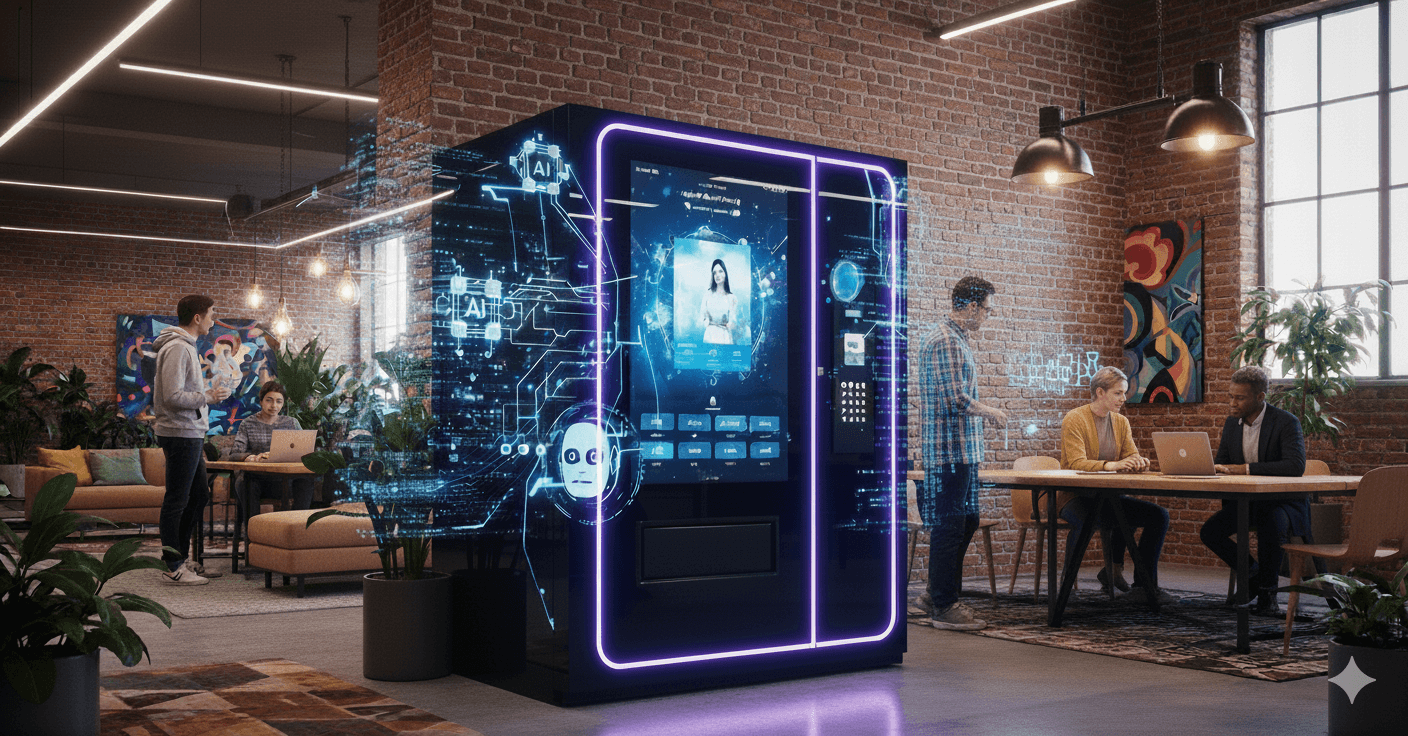
The future of AI vending is likely to involve more cashless checkout, computer vision, predictive inventory management, personalization, edge AI, and autonomous retail. AI can help machines move beyond simply dispensing products toward becoming small, data-driven retail environments.
As businesses look for convenient ways to provide products without maintaining full-time staff, AI vending machines could become an increasingly important part of automated retail.
Conclusion
AI vending machines represent an evolution of traditional vending technology. By combining AI, computer vision, sensors, IoT connectivity, and digital payments, these systems can provide faster purchasing, better inventory visibility, and more automated retail experiences.
For businesses, the technology offers an opportunity to operate flexible retail points in locations where traditional stores may be difficult or expensive to maintain. As AI capabilities continue to improve, vending machines may increasingly function as intelligent, autonomous mini-stores rather than simple product dispensers.